Before the visit
- Affected fixtures and customer-reported symptoms
- Cleanout access, line location and previous repairs
- Camera footage, recorded findings and approved repair scope
 crewTend
Connect urgent service calls, drain cleaning, camera inspections and planned sewer work. Keep findings, footage and the approved next step in the same customer history.
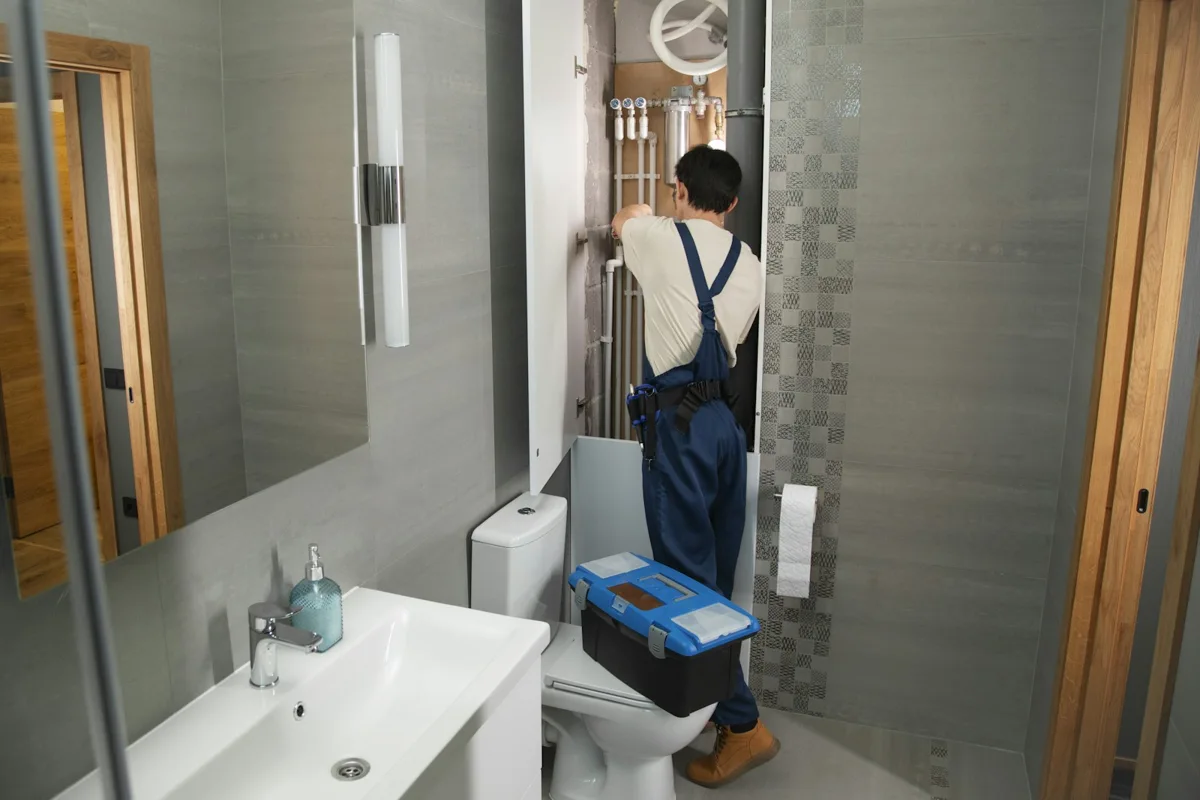
Attach footage, location notes and observed conditions to the customer’s property.
Explore the workflowSeparate the reported symptom, field findings and approved repair scope in the work order.
Explore the workflowUse a project and RFI for utility conflicts, access questions or changed site conditions.
Explore the workflowSee what the office prepares, what the technician records and what stays with the customer after the visit.
Connect urgent service calls, drain cleaning, camera inspections and planned sewer work. Keep findings, footage and the approved next step in the same customer history.
Give the crew the agreed scope, useful history and evidence from the property.
Review the actual work, open items and customer report before preparing the next visit or invoice.
Choose useful measures, then inspect the records and date range behind them.
Keep camera footage and inspection findings with the diagnostic work order. Create a linked repair estimate when additional work is needed, then schedule it after approval.
Yes. Configure company work types, checklist items, custom values and attachment rules. Keep the requested scope, work performed, internal issues and customer-facing report distinct.
Explore checklist setupAttach evidence to the job, capture the question or recommended work, then review the next action. An RFI preserves the question and decision; an estimate or change order records the proposed scope and price.
Explore the RFI workflowAdd your company, people, customers and properties. Configure one service checklist and run a complete job with sample data. Connect any payment, messaging or AI services you plan to use.
Getting started